
NSC Distracted Driving Month: Protect Your Parking Lots & Fleet in the Upper Valley
Why Distracted Driving Is a Business Problem—Not Just a Road Problem
April marks National Distracted Driving Awareness Month, and while most attention is placed on highways, many incidents actually occur much closer to where businesses operate every day.
In the Upper Valley, the transition into spring changes how people move. Employees return to normal schedules, customers increase their visits, and delivery traffic picks up significantly. With this surge in activity comes a rise in distracted driving—people checking phones, rushing between stops, or simply not paying full attention in tight parking environments.
For business owners, this creates a serious issue. Parking lots, loading zones, and private driveways are all areas where accidents can happen quickly—and where your business may be held liable.
“The most common accident many businesses face doesn’t happen on the highway—it happens right outside their front door.”
Parking Lots: The Hidden Liability Zone
Unlike public roads, parking lots operate with less structure and fewer safeguards. There are no traffic officers, limited signage enforcement, and often unclear right-of-way rules. This makes them particularly vulnerable to distracted behavior.
When an incident occurs without proper monitoring, businesses are left trying to piece together what happened. This often leads to disputes, delayed insurance claims, and increased liability exposure.
According to the National Highway Traffic Safety Administration, distracted driving claimed thousands of lives in a single year alone, reinforcing how widespread and serious the issue is—even outside traditional roadways.
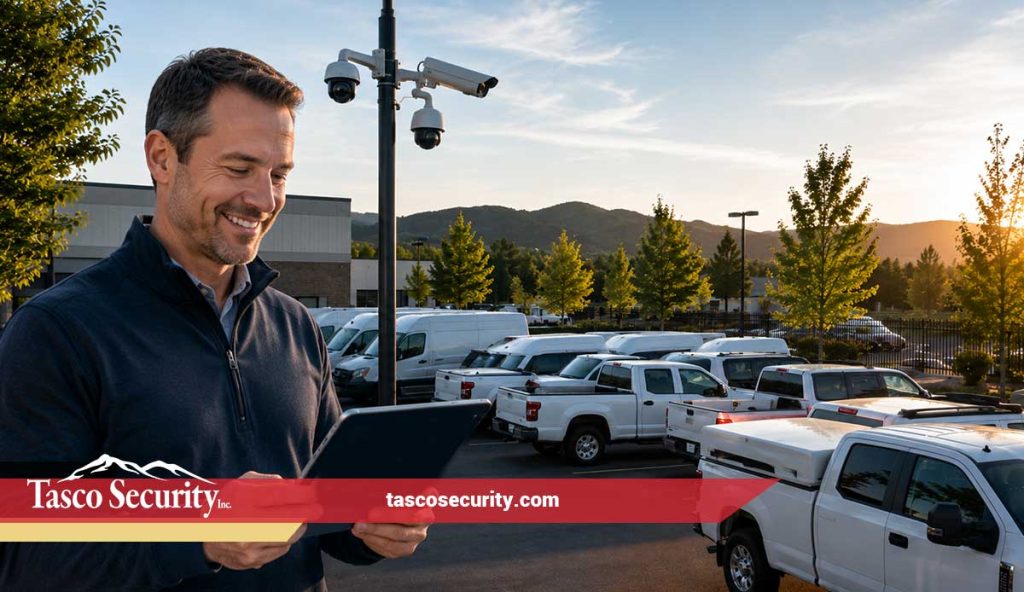
Surveillance systems provide clarity in these situations. High-definition video footage not only documents incidents but also helps deter risky behavior in the first place. When drivers know they are being monitored, they tend to act more cautiously.
Protecting Your Fleet Vehicles from Risk
Fleet vehicles represent a significant investment, and they are often exposed to risk when parked or staged in unsecured areas. Spring introduces additional vulnerability as activity increases and properties become busier.
Without proper monitoring, fleet areas can experience:
- Minor collisions that go unreported
- Unauthorized vehicle access
- Increased wear and tear from careless navigation
“If your fleet isn’t protected when it’s parked, it’s exposed to the same risks as any unmonitored asset.”
Security systems help mitigate these risks by providing visibility into vehicle zones, tracking activity, and ensuring that only authorized personnel have access.
How Surveillance Improves Safety and Accountability
Modern video surveillance systems are far more advanced than older models. They offer high-definition clarity, night vision capabilities, and remote access that allows business owners to monitor activity from anywhere.
This level of visibility creates a safer environment by:
- Encouraging responsible driving behavior
- Providing evidence in the event of an incident
- Allowing real-time monitoring of high-traffic areas
The Occupational Safety and Health Administration (OSHA) emphasizes the importance of maintaining safe workplace environments, including traffic management in business zones.
By integrating surveillance into your overall safety strategy, you not only protect your property but also demonstrate a commitment to employee and customer safety.
Using Access Control to Reduce Congestion and Risk
While cameras provide visibility, access control adds another layer of protection by limiting who can enter certain areas.
In busy environments, unrestricted access can lead to congestion, confusion, and increased accident risk. By controlling entry points to loading docks, service areas, or restricted zones, businesses can create a more organized and safer flow of traffic.
This is particularly valuable for Upper Valley businesses with:
- Multiple buildings
- Large parking areas
- Frequent deliveries or service vehicles
Controlled access ensures that only authorized individuals enter high-risk areas, reducing both accidents and liability.
Preparing for Increased Spring Activity
Spring is a turning point for many businesses. Activity increases, schedules expand, and operations become more dynamic. Without proper preparation, this can lead to gaps in security and safety.
Taking a proactive approach now allows you to:
- Identify vulnerabilities in parking and traffic areas
- Improve visibility across your property
- Reduce the likelihood of incidents before they occur
This is not just about preventing accidents—it’s about creating a safer, more controlled environment for everyone who interacts with your business.
FAQ
Why are parking lots considered high-risk areas?
Parking lots lack structured traffic control and often involve pedestrians, vehicles, and limited visibility, increasing the likelihood of accidents.
Can security cameras really reduce distracted driving?
Yes. Visible surveillance encourages more cautious behavior and provides accountability.
How can I protect my fleet vehicles?
By combining surveillance, controlled access, and proper monitoring of vehicle areas.
Is this relevant for small businesses?
Absolutely. Even small parking areas can create significant liability if incidents occur without documentation.
- Why More Upper Valley Families Are Choosing Professionally Monitored Alarm Systems - June 21, 2026
- How Much Does a Home Security System Cost in New Hampshire? A Homeowner’s Guide (2026) - June 14, 2026
- The Complete Guide to Home Security Systems in the Upper Valley of New Hampshire (2026) - June 7, 2026