
Carbon Monoxide Awareness: Why Winter Is the Most Dangerous Time of Year
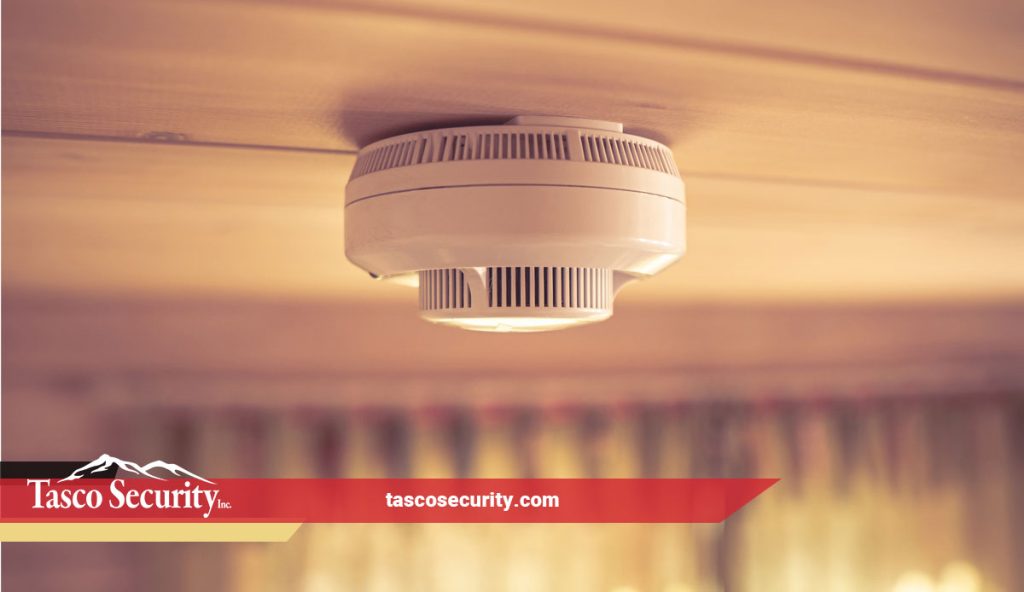
When winter arrives, most homeowners focus on staying warm and keeping heating bills under control. What often gets overlooked is one of the most serious seasonal safety risks inside the home: carbon monoxide (CO) exposure.
Carbon monoxide is a silent, invisible gas that can build up indoors without warning. Every year, thousands of families are affected by CO-related incidents—many of them occurring during the colder months. Understanding the risks and making sure your home is properly protected can quite literally save lives.
What Is Carbon Monoxide and Why Is It So Dangerous?
Carbon monoxide is a colorless, odorless gas produced when fuel-burning appliances don’t operate or vent correctly. Common sources include:
- Gas furnaces and boilers
- Fireplaces and wood stoves
- Gas ranges and ovens
- Water heaters
- Portable generators
- Attached garages
Because you can’t see or smell carbon monoxide, exposure often goes unnoticed until symptoms appear. Early signs include headaches, dizziness, nausea, confusion, and fatigue. At higher levels, CO can cause loss of consciousness or death within minutes.
That’s why carbon monoxide detectors aren’t optional—they’re essential life safety devices.
Why Winter Increases Carbon Monoxide Risk
Carbon monoxide incidents spike during winter for several reasons:
1. Increased Use of Heating Equipment
Furnaces, fireplaces, and space heaters run longer and more frequently. Any malfunction, blocked vent, or cracked heat exchanger can allow CO to leak into living spaces.
2. Closed Windows and Doors
Homes are sealed tighter in winter to retain heat. While this improves energy efficiency, it also traps gases indoors, allowing carbon monoxide levels to build quickly.
3. Snow and Ice Block Venting
Snowdrifts and ice can block exhaust vents on the exterior of the home, forcing combustion gases back inside instead of safely venting outdoors.
4. Improper Use of Alternative Heat Sources
During power outages or extreme cold, some homeowners turn to portable heaters, grills, or generators indoors or in garages—one of the leading causes of fatal CO exposure.
Where Carbon Monoxide Detectors Should Be Installed
Having a carbon monoxide detector is only effective if it’s installed in the right locations. Industry best practices recommend:
- At least one CO detector on every level of the home
- Outside each sleeping area
- Near—but not directly next to—fuel-burning appliances
- In or near attached garages
- On ceilings or walls per manufacturer guidelines
For the best protection, professionally installed and monitored CO detectors ensure correct placement and proper functionality.
Hardwired vs. Battery CO Detectors
Not all carbon monoxide detectors offer the same level of protection.
- Battery-powered detectors are better than nothing, but rely on homeowners remembering to change batteries.
- Hardwired or system-integrated CO detectors are more reliable, often include backup batteries, and can be tied into a monitored security or life safety system.
When a monitored detector senses dangerous CO levels, alerts can be sent automatically—whether you’re home or away—helping prevent tragedy when every second counts.
The Hidden Carbon Monoxide Risk from Batteries
There’s a lesser-known risk many homeowners and business owners overlook: certain batteries can produce carbon monoxide under the right conditions.Batteries don’t produce carbon monoxide during normal operation. The danger arises when batteries overheat, fail, or catch fire, especially:
- Lithium-ion batteries
- Rechargeable battery packs
- Backup batteries for alarms, UPS systems, and solar storage
When these batteries experience thermal runaway (a chain reaction caused by overheating or damage), they can release toxic gases, including carbon monoxide.
Safe Battery Habits That Reduce Risk
Good old-fashioned common sense goes a long way:
- Use manufacturer-approved chargers only
- Avoid charging batteries unattended overnight
- Replace damaged or swollen batteries immediately
- Keep batteries away from heat sources
- Don’t overload outlets or power strips
- Store spare batteries properly
Common Carbon Monoxide Safety Mistakes to Avoid
Even safety-conscious homeowners make mistakes that increase CO risk:
- Skipping annual furnace and appliance inspections
- Ignoring chirping or nuisance alarms
- Disabling detectors instead of addressing the cause
- Using generators or grills indoors or in garages
- Assuming smoke detectors also detect carbon monoxide
Smoke detectors and CO detectors serve different purposes. You need both.
Why Professional Life Safety Checks Matter
Carbon monoxide protection isn’t just about installing a device and forgetting it. A professional life safety check ensures:
- Detectors are installed in proper locations
- Devices are tested and functioning correctly
- Integration with existing alarm systems (if applicable)
- Overall home life safety coverage is evaluated
This kind of review is especially important before or during the winter months when risks are highest.
Protect Your Home and Family This Winter
Carbon monoxide doesn’t give warnings. It doesn’t announce itself. It simply builds—quietly and dangerously.
The good news? With proper detectors, correct placement, and professional oversight, carbon monoxide incidents are entirely preventable.
Worried About CO in Your Home? Get A Life Safety Check from Tasco Security
If you’re unsure whether your home is fully protected, now is the time to act. Tasco Security offers fire & life safety checks to help homeowners identify gaps in protection and ensure carbon monoxide detectors are properly installed and functioning.
👉 Contact Tasco Security today to schedule your life safety check and enjoy peace of mind all winter long.

Frequently Asked Questions About Carbon Monoxide Detectors
How often should carbon monoxide detectors be replaced?
Most CO detectors should be replaced every 5–10 years, depending on the manufacturer.
Do I need a CO detector if my home is all-electric?
If there are no fuel-burning appliances and no attached garage, risk is lower—but many homes still benefit from CO protection due to external sources like batteries or future changes.
Can carbon monoxide come from a garage?
Yes. Vehicles running in attached garages—even briefly—can allow CO to enter the home.
Are monitored CO detectors worth it?
Yes. Monitoring ensures alerts are sent even if you’re asleep, away, or unable to respond.

- Why More Upper Valley Families Are Choosing Professionally Monitored Alarm Systems - June 21, 2026
- How Much Does a Home Security System Cost in New Hampshire? A Homeowner’s Guide (2026) - June 14, 2026
- The Complete Guide to Home Security Systems in the Upper Valley of New Hampshire (2026) - June 7, 2026